Chemical and Materials
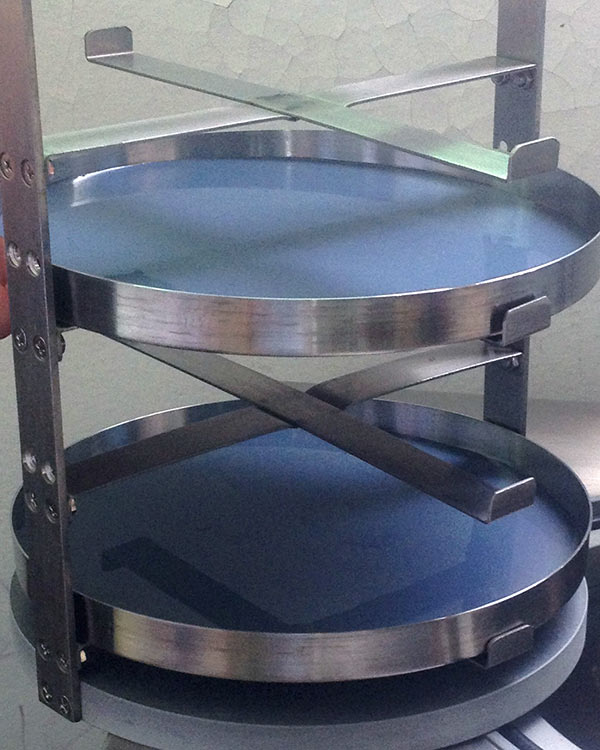
Freeze Drying of Chemicals
Freeze drying offers unique advantages for chemical and material synthesis by preserving structure and enhancing uniformity. Unlike conventional drying methods that rely on evaporation and often cause shrinkage due to surface tension, freeze drying removes water and solvents via sublimation from a frozen state under vacuum. This preserves the original three-dimensional framework of the material, making it ideal for producing dry, lightweight solids with exceptionally high, tunable porosity – key characteristics of advanced aerogels and catalytic supports.
In addition to microstructural control, freeze drying also is a powerful tool for homogenization and stabilization. The freezing step locks components into a uniform microscopic distribution, and then, sublimation in the next step yields composite powders or monoliths with highly homogeneous composition, which is a critical determinant of final material performance and consistency.
Freeze Dried Benefits
Freeze drying is processed via sublimation from a frozen state under vacuum, it completely prevents decomposition, oxidation and phase transition that caused by high temperature, making it ideal for extremely temperature-sensitive substances like intermediates, energetic materials, and bio-based chemicals.
Freeze drying avoids liquid surface tension, preventing the pore collapse of delicate structures formed during freezing. This ensures materials with high specific surface area, porous structure and nanoscale morphology, which is very important in chemical and material industry such as gels and mofs production.
The freezing step solidifies mixtures into a uniform microscopic distribution, preserving a homogeneous dispersion of multiple components (e.g., nanoparticles, polymers, active phases). This results in uniform composite powders or monoliths, critical for performance in catalysts, electrodes, and advanced ceramics where even dispersion is paramount.
Uniform and complete drying of high-viscosity materials, colloids, polymer solutions, and catalyst slurries. Convert them into dry, stable solid form that are easier to handle, transport, and store.
In material preparation, organic solvents are necessary elements to enhance products quality. Since freeze-drying is performed while the product is in a solid state, during which the organic solvent is preferentially removed. Thus, the final solvent-free solid material is obtained while forming the desired microstructures, such as pores and dense layers. A solvent tank can be installed in freeze dry system to collect organic solvents, improve raw material utility ratio, reduce waste treatment cost and friendly to environment.
Drying Examples
Freeze drying is widely used in the chemical and materials industry. For products that are heat sensitive or have strict requirement of physical form or three-dimension structure after dehydration, freeze drying technology is the most gentle and safe solution, guarantee material performance and enhance the process reliability. Application and drying examples including but not limited to:
- Catalysts and nanomaterials
- Ceramic precursor and electronic materials
- Specialty chemicals and medical intermediates
- Polymers, gels and composite materials
Solution for Different Stages
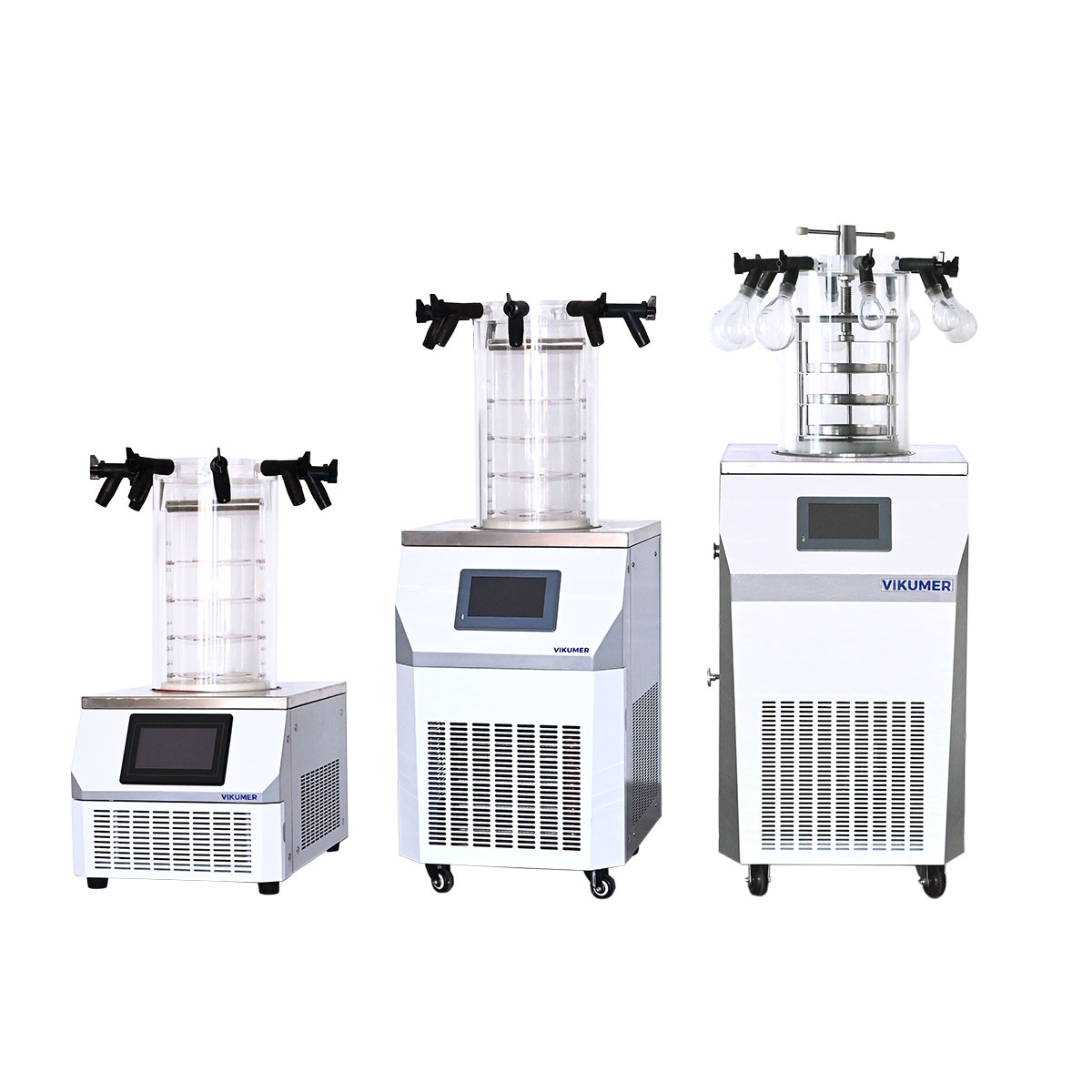
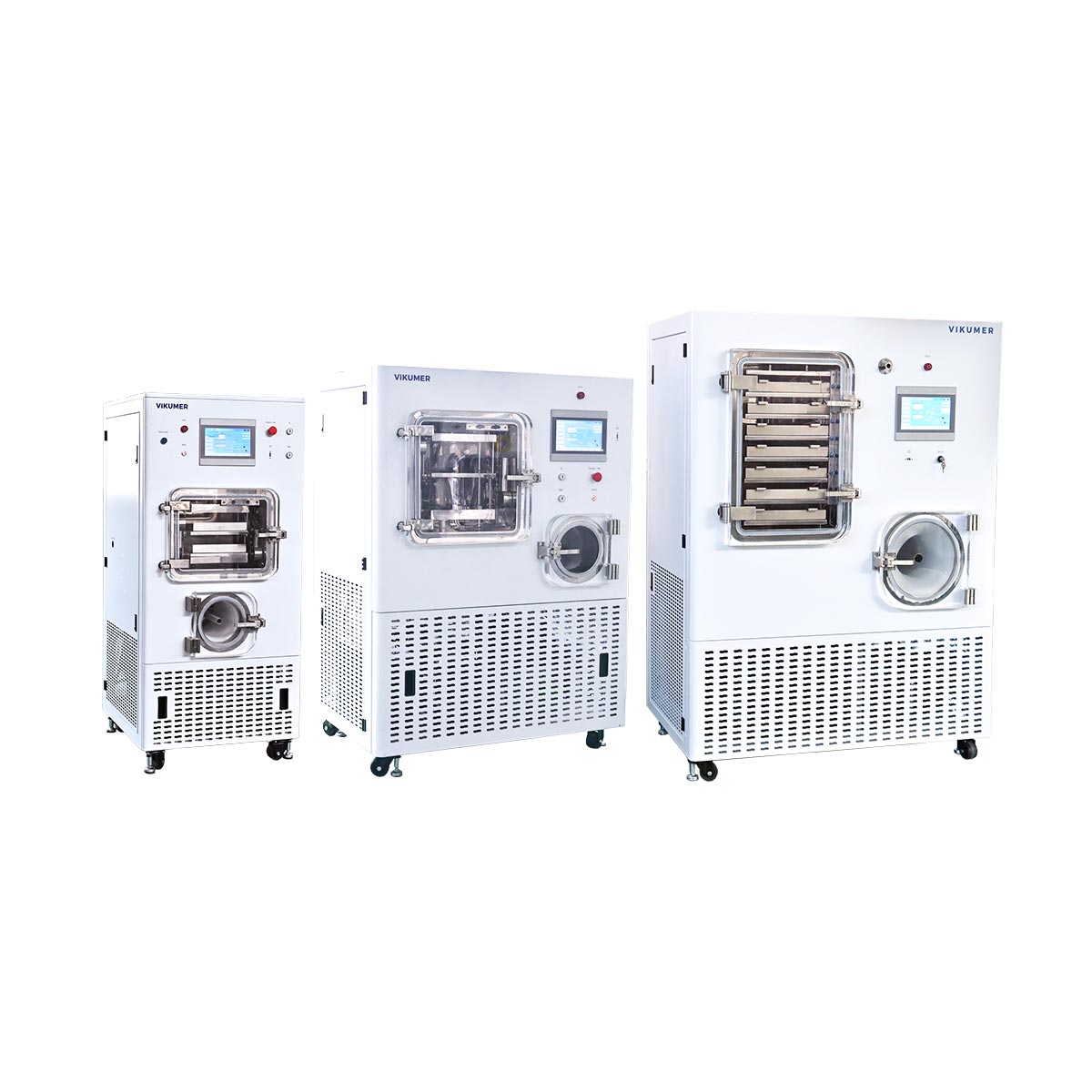
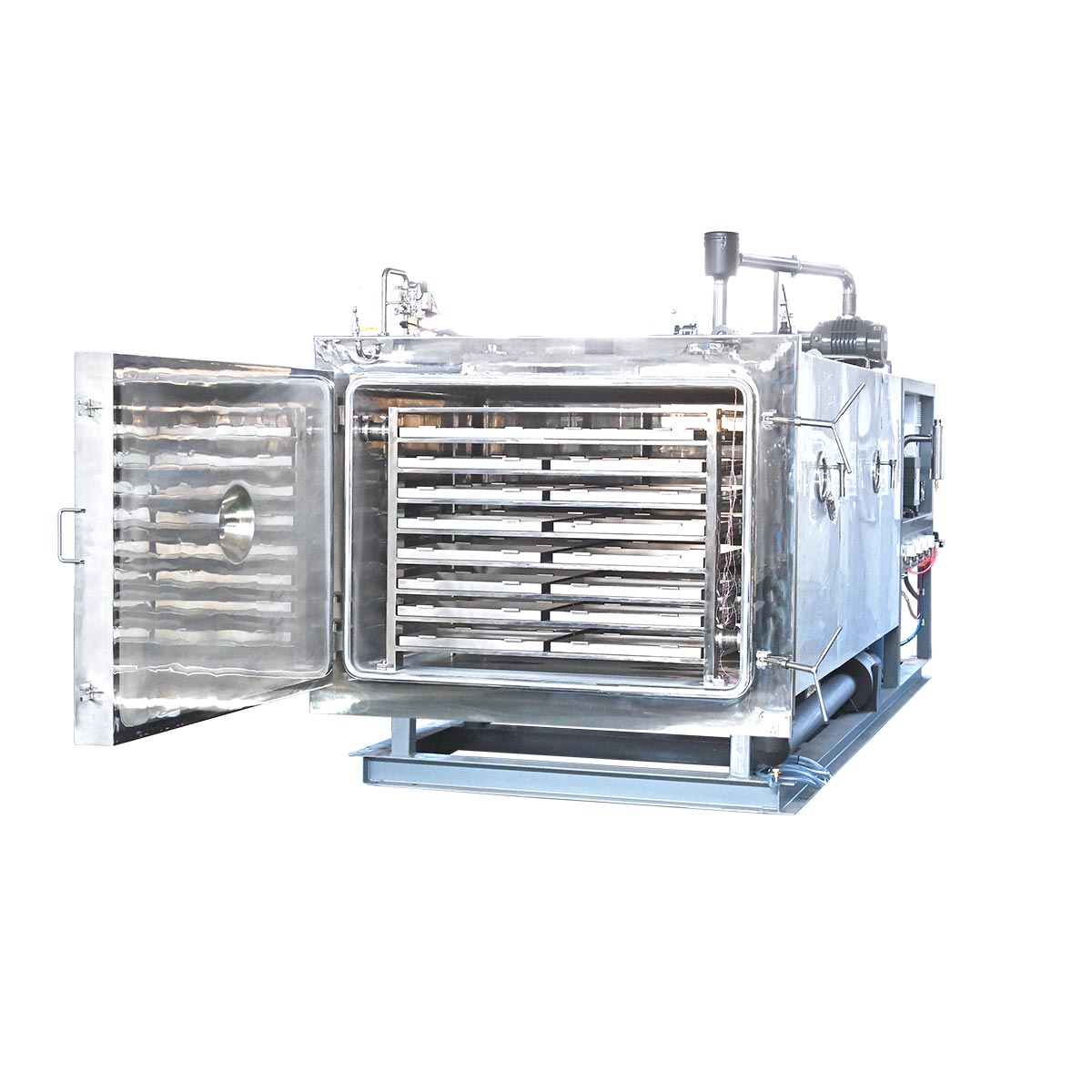
Customizable
We offer customized systems with additional features like:
- 316L material with PTFE coating, for acid, alkali and organic solvents freeze dry.
- Inert gas filling system, to protect material from oxidation or moisture sensitive.
- Exd explosion proof type.
- SCADA and data traceable system.
Need solution for your specific product?
Contact us!